Micro-Upsells and Timing - The Psychology of Perfect Offers
In hospitality, the art of selling has never been about pressure. It’s about perception — understanding the guest’s state of mind and meeting them there. When an offer arrives…
Eliav Rotholz
vGuest
It’s Not About Selling More — It’s About Sensing the Moment
In hospitality, the art of selling has never been about pressure. It’s about perception — understanding the guest’s state of mind and meeting them there. When an offer arrives exactly when it’s needed, it doesn’t sound like marketing. It feels like care.
That’s the quiet power behind micro-upselling — small, relevant gestures offered at just the right moment.
Not loud packages or pushy campaigns, but subtle, human touches that add comfort, convenience, or delight.
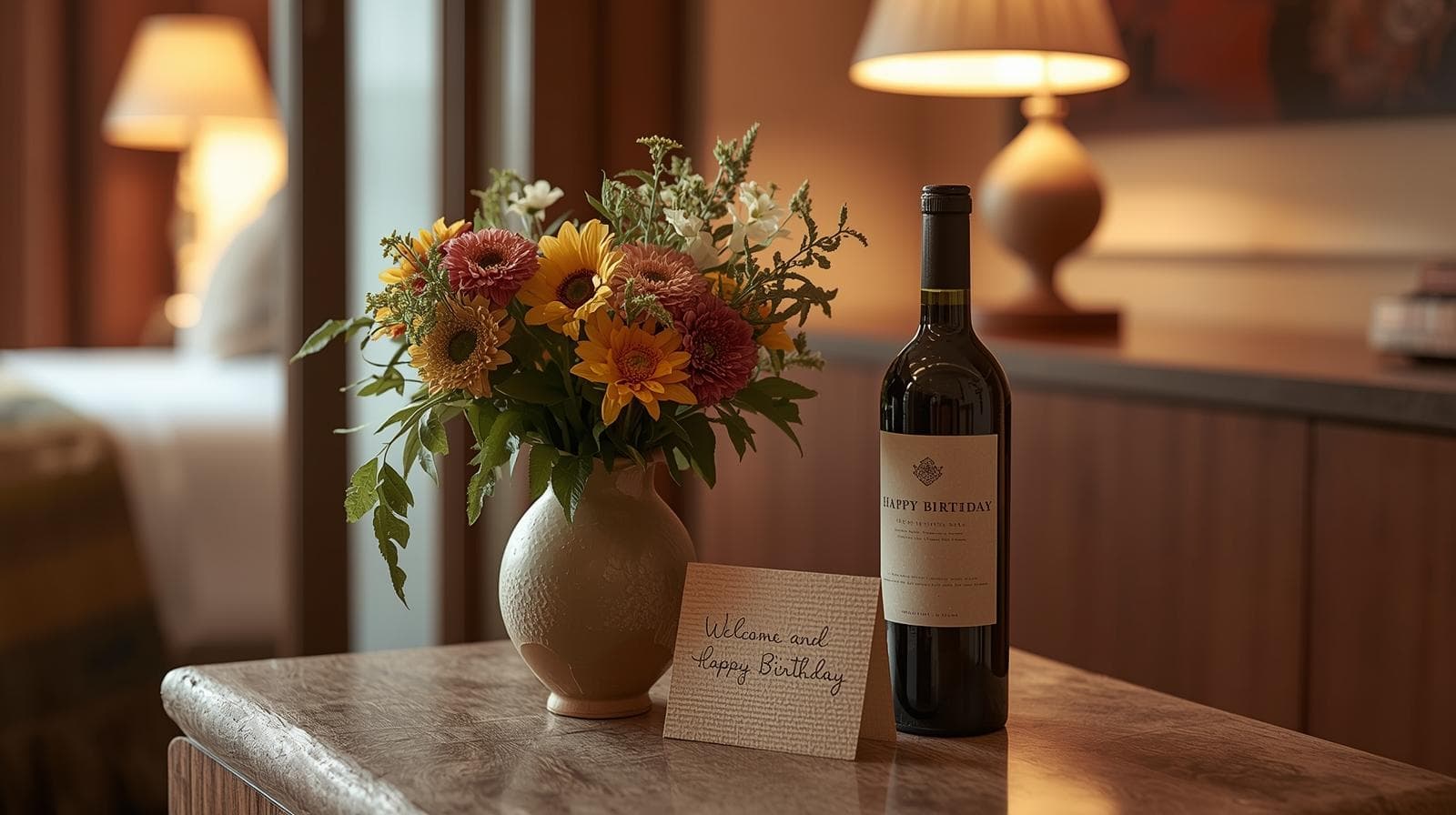
A glass of wine after check-in.
A late check-out before a long drive.
An upgrade when it actually fits the guest’s mood and plan.
When timed right, these moments become less about transactions and more about trust.
Timing Is the New Personalization
A late check-out offer sent at midnight feels intrusive.
The same message shared the next morning, after the guest’s second coffee, feels considerate.
Timing, in hospitality, is everything. It’s not luck — it’s design.
With today’s tools, hotels can anticipate these moments with precision. AI-powered messaging systems can recognize behavior patterns:
- Which guests tend to extend their stay
- Who orders room service late
- Who books spa appointments on repeat visits
When you combine that data with human awareness — front-desk intuition, guest history, context — the result is a kind of digital empathy. The guest feels seen, not targeted.
Smart timing doesn’t just improve conversion; it protects the brand’s tone. It keeps communication human.
The Psychology of a Perfect Offer
Guests don’t respond to offers — they respond to recognition.
Personalization is interpreted as empathy. When the message sounds like it comes from someone who genuinely noticed their preferences, guests lower their guard.
A short, polite question —
“Would you like to keep your room until 3 PM?” —
is far more effective than
“Upgrade now and save 20%!”
That’s because the first feels like care, the second like commerce.
Language shapes trust. A good upsell feels conversational, not commercial. It uses the guest’s language, not the marketing team’s. The tone should be warm, brief, and unforced — the way one would speak face-to-face.
Every great upsell starts with understanding the emotion of the moment. Guests who are tired need convenience. Guests celebrating need experience. Guests traveling for business need reliability.
Match the tone to the emotion, and you move from selling to serving.
Micro-Upsells in Practice
The most effective hotels build micro-upselling into their daily rhythm:
- Before arrival: Offer airport transfers, welcome drinks, or dinner reservations.
- Mid-stay: Suggest spa slots, activity bookings, or late check-outs based on behavior signals.
- Pre-departure: Highlight loyalty benefits or early re-booking options.
Each touchpoint is small by design. Together, they form a continuous thread of thoughtful service — and a measurable revenue stream that never feels forced. Timing now has a cost side as well: from October, a message that mixes a stay update with an offer is billed at the marketing rate, so it is worth separating the two before you increase the cadence.
Even a 5% increase in conversion from micro-upsells can have a meaningful impact on profitability, especially when applied across hundreds of guest interactions a month. But the true return isn’t just financial — it’s emotional equity. The same judgement applies across the stay: AI helps most with the repetitive, factual moments and least where judgement is needed.
Where Humans and Technology Meet
Technology can detect patterns, but it can’t sense the mood in the lobby. That’s where humans complete the loop.
AI can flag a likely upsell opportunity, but staff intuition decides how and when to deliver it.
That’s the “Human-in-the-Loop” model of modern hospitality — where automation supports awareness, not replaces it.
For the guest, it feels seamless: a perfectly timed suggestion that makes the stay smoother. For the hotel, it’s a new level of operational intelligence that turns data into empathy and empathy into revenue.
The Real Meaning of Selling in Hospitality
Selling in hospitality has never been about transactions. It’s about moments — noticing, offering, connecting.
When technology helps your team read those moments better, upselling becomes something else entirely:
a shared sense of timing between guest and host.
And that, in the end, is what guests remember — not the offer itself, but how naturally it fit into their stay.
Common questions
What is a micro-upsell?
A small, relevant gesture offered at the right moment rather than a loud package or a campaign. A glass of wine after check-in, a late check-out before a long drive, an upgrade that actually fits the guest's plan. Timed well, these read as care rather than as a transaction.
Why does timing matter more than the offer itself?
Because the same message changes meaning with the moment. A late check-out offer sent at midnight feels intrusive; the same message the next morning feels considerate. Timing is not luck, it is design - and it protects brand tone as well as improving conversion.
How should an upsell message be worded?
Conversationally, in the guest's language rather than the marketing team's. "Would you like to keep your room until 3 PM?" outperforms "Upgrade now and save 20%" because the first reads as care and the second as commerce. Guests respond to recognition, not to offers.
How do you match an offer to the guest?
By the emotion of the moment. Guests who are tired need convenience, guests celebrating need experience, guests travelling for business need reliability. Behaviour patterns - who extends their stay, who orders room service late, who rebooks the spa - combined with front-desk context give you the signal.
Keep reading
All articles
190+ properties · 6 countries
See it answering your guests
Bring your own property. We will show you what the assistant does with your real questions, in your languages, on WhatsApp.