Ask for marketing consent at the right moment
Most hotels are sitting on thousands of past guests they cannot message. The reason is rarely complicated: nobody ever asked for permission.
 vGuest
Guests do not grade you on your best moment. They grade you on the friction — the wait, the repeated question, the reply that arrived after it stopped mattering.
33 articles
The guide3 min read
Guest experience is the most discussed and least measured thing in hospitality. Everyone agrees it matters. Very few properties can say what theirs currently costs them.
The useful reframing is to stop thinking about delight and start thinking about friction, because friction is the part you can find, count and remove. What follows is the high-level version of what we have written on it, with links to the pieces that go deeper.
Retail customer experience optimises a transaction. Hospitality optimises a stay someone is living inside for three days, often tired, often with their family, often after something has already gone wrong that day.
The practical difference is emotional stakes and timing. A delayed reply from a shop is an annoyance. A delayed reply about whether your room is ready, when you are standing outside with luggage, is the stay. Customer Experience vs Guest Experience sets out where the two diverge and where AI actually fits.
Most bad guest experience is not rudeness or failure. It is small delays and small repetitions that accumulate: asking the same question twice, waiting for an answer that exists, being handed between people who do not share context.
The Hidden Cost of Friction in Guest Communication is the argument for treating this as an operational number rather than a feeling. The Metrics That Actually Matter in Guest Communication covers which numbers are worth watching and which flatter you.
The channel where most of this now happens is messaging. Guest Communication via WhatsApp covers what works, what breaks, and how to tell the difference.
An offer, a check-in, a question about dinner: the same message can be welcome or intrusive depending entirely on when it lands. This is the most underrated lever in the whole subject, because it costs nothing and most properties get it wrong by default.
Micro-Upsells and Timing is about the psychology of the well-timed offer. Proactive Hospitality and Predictive Hospitality cover the step beyond responding — knowing what someone needs before they ask.
Every property collects feedback. Very few act on it inside the stay, which is the only window where acting on it changes anything.
Understanding Guests in Real Time covers closing that gap. Sentiment Analysis and Guest Reviews covers reading tone at volume. The 2025 Guest Whisperer is about complaints specifically — the highest-signal feedback you get, and the one most systems bury.
From Data to Emotion is the caution against all of this: an insight nobody acts on warmly is just a row in a dashboard.
Automation is genuinely good at speed, consistency and never forgetting. It is bad at the moment when someone needs to feel heard rather than answered.
The three pieces worth reading together, because they disagree: Human-in-the-Loop vs Fully Automated Guest Messaging argues for the blend, When Automation Goes Too Far and Hospitality in the Age of AI argue for hard limits, and The Most Human Hotel Assistant Isn't Human at All argues that a consistent, always-available assistant is often more humane than a stretched night shift.
From Scripted Bots to Smart Assistants covers why the old menu-driven chatbot damaged trust in the whole category.
Points schemes reward frequency. They do not create attachment. The properties guests return to are the ones that remembered something — the room preference, the allergy, the fact that last time the transfer was late.
Rethinking Loyalty: From Points to Personalization makes that case.
None of this survives contact with a team that has no authority to fix anything. Empowered Teams, Exceptional Stays is about the staff side, and Beyond Check-In covers how the shape of all this differs between a resort, a city hotel and a boutique.
Pick one question your front desk answers more than ten times a day. Find out how long a guest currently waits for that answer, and what the answer costs in staff attention. That single number is usually enough to decide what to do next — and it is a better starting point than any strategy document.
Most hotels are sitting on thousands of past guests they cannot message. The reason is rarely complicated: nobody ever asked for permission.
"Is there a pool?" has one fact behind it and many right answers. Your AI needs your tone and your house rules, not just your facts.
For birthday parties, groups, events and packages, most of the people who write to you are not ready to book.
A good stay starts before arrival and ends after checkout, and six well-timed WhatsApp messages cover most of it.
Business guests and leisure guests need different messages: the same hotel, the same room, two different journeys.
"I have a voucher, how do I use it?" is one of the most common and least automated questions a hotel or spa gets.
Should your hotel's AI assistant tell guests it is an AI? Two properties we work with answered in opposite ways, and both work.
Online check-in saves the desk minutes per guest, but only for guests who finish it. Knowing where they stop is the whole job.

Digital check-in is sold on the pleasant parts - the guest arrives, their room is ready, nobody queues. When it fails, it almost never fails there. It fails on a file upload, a…

A hotel asked us to remove one field from its payment form. The reason was plain: guests do not understand what this is.

A guest sends a voice note in Georgian. Nobody on your team speaks Georgian. It arrives at 9pm.

The phrase "hotel AI assistant" describes two products that share a demo and almost nothing else. Buying the wrong one is the most common expensive mistake in this category, and…

You’re on the phone with a frequent guest. She’s halfway through asking for a late checkout and then says:
If you’ve sat through a technology pitch in the last 12 months, you’ve probably heard some mix of:

Today’s hospitality mandate is clear: deliver personalized experiences at operational scale. With staffing pressures mounting and guest expectations for digital fluency rising…
The reservations team at a thermal spa and water park had a problem every reservations manager will recognise. Long phone queues, guests waiting minutes to be answered, and the…

Hospitality has always been emotional at its core. It’s about warmth, care, and the feeling of being seen. Yet, in an era dominated by dashboards and analytics, emotion often gets…
In hospitality, timing is everything. When a guest asks for something, it’s already a moment too late. The true magic happens when you anticipate what they need before they even…

You can predict which guests are most likely to cancel, spend, complain or come back — but only for behaviours your own systems already record, and only well enough to change who…
Automation has become a cornerstone of modern hotel operations. From self-check-in kiosks to automated guest messaging, systems now handle tasks that once required people. The…
Real-time guest feedback is anything a guest tells you while they are still on the property: a reply to a short check-in message, a complaint in a WhatsApp thread, a request that…
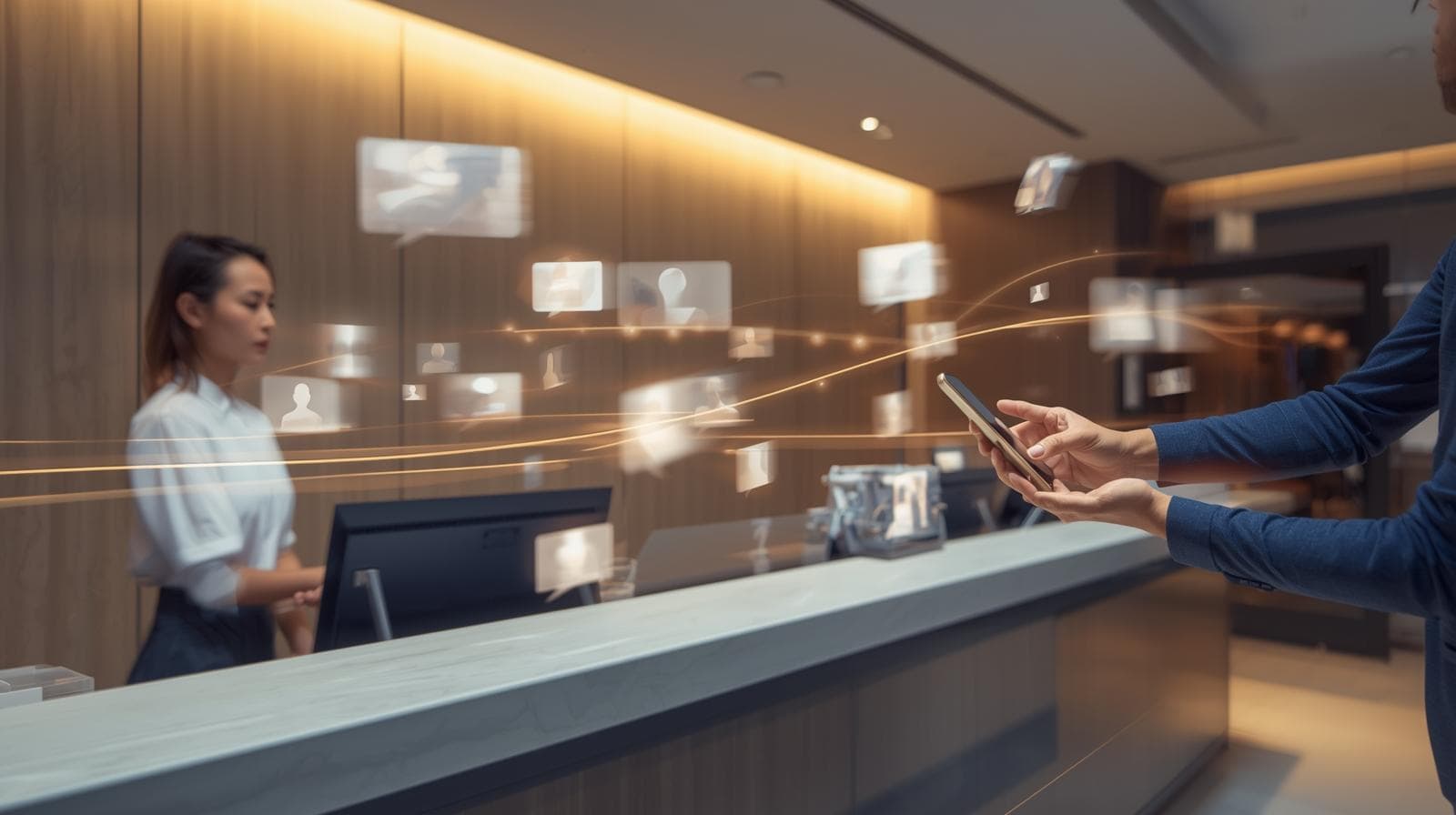
In hospitality, communication isn’t a side task — it’s the heartbeat of the entire guest experience. Every message, every reply, every delay shapes how guests perceive care…
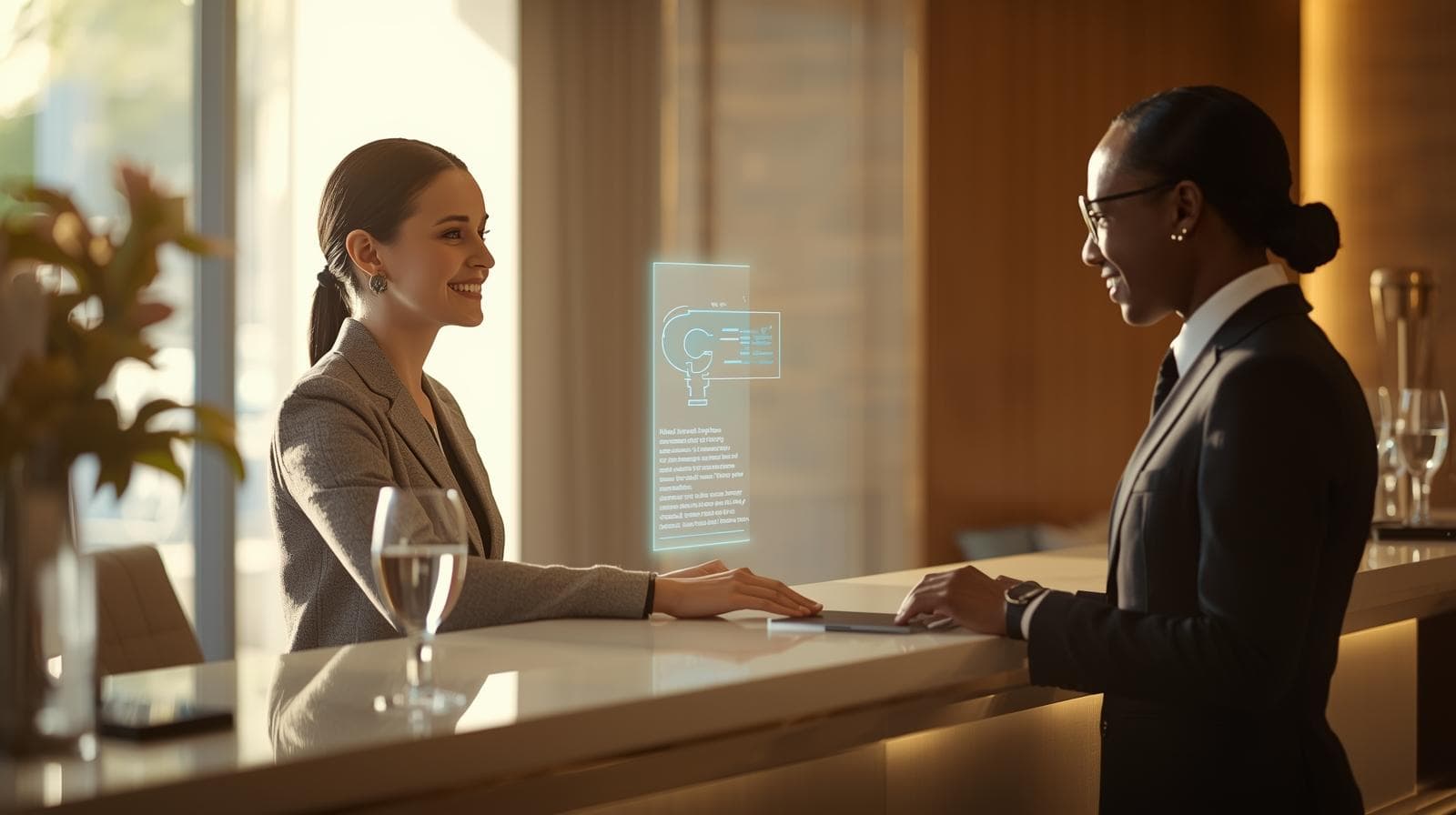
For years, hotels have tried to automate guest communication — from pre-arrival questions to mid-stay requests and post-stay follow-ups. But early chatbots were little more than…
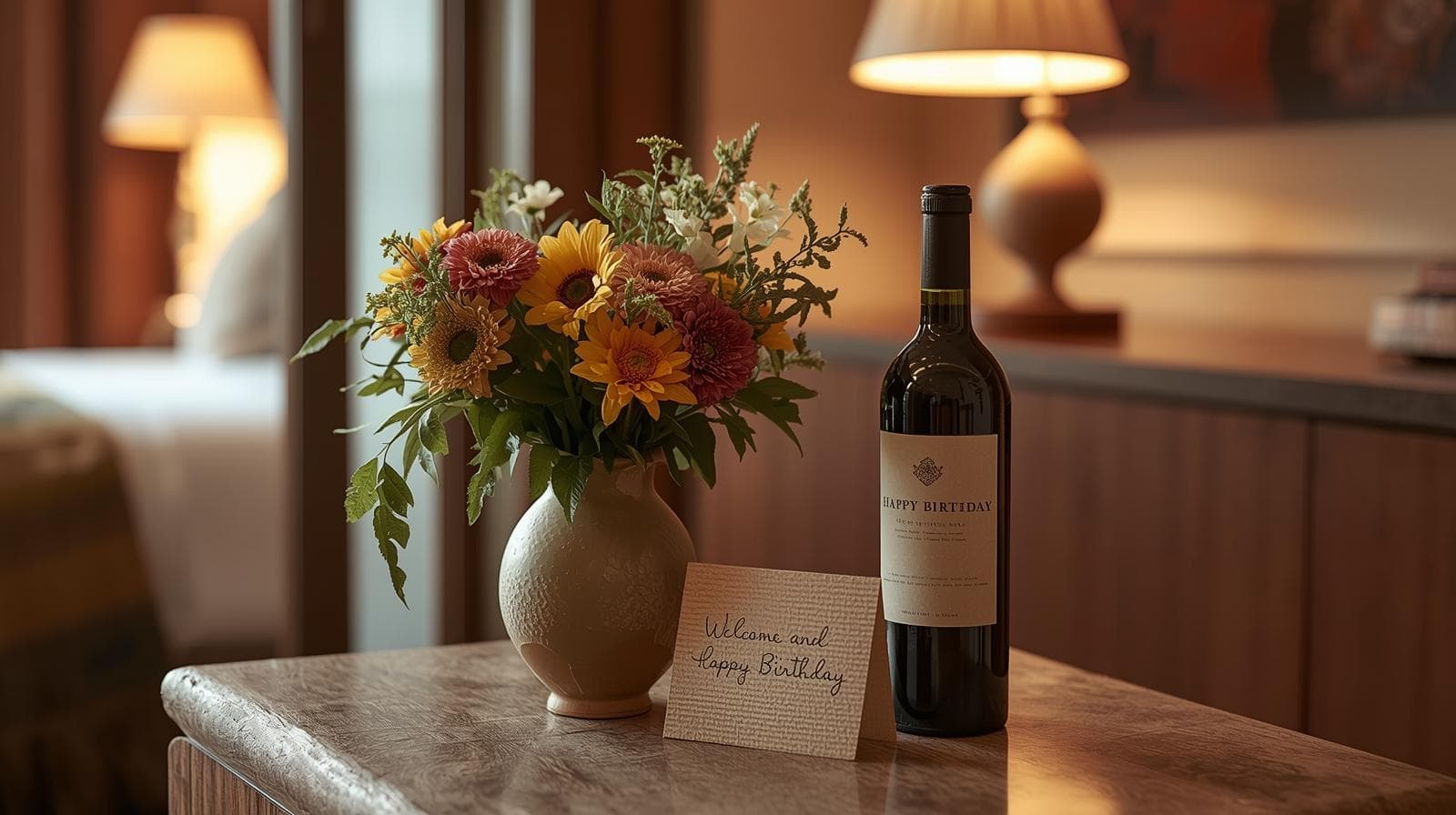
In hospitality, the art of selling has never been about pressure. It’s about perception — understanding the guest’s state of mind and meeting them there. When an offer arrives…
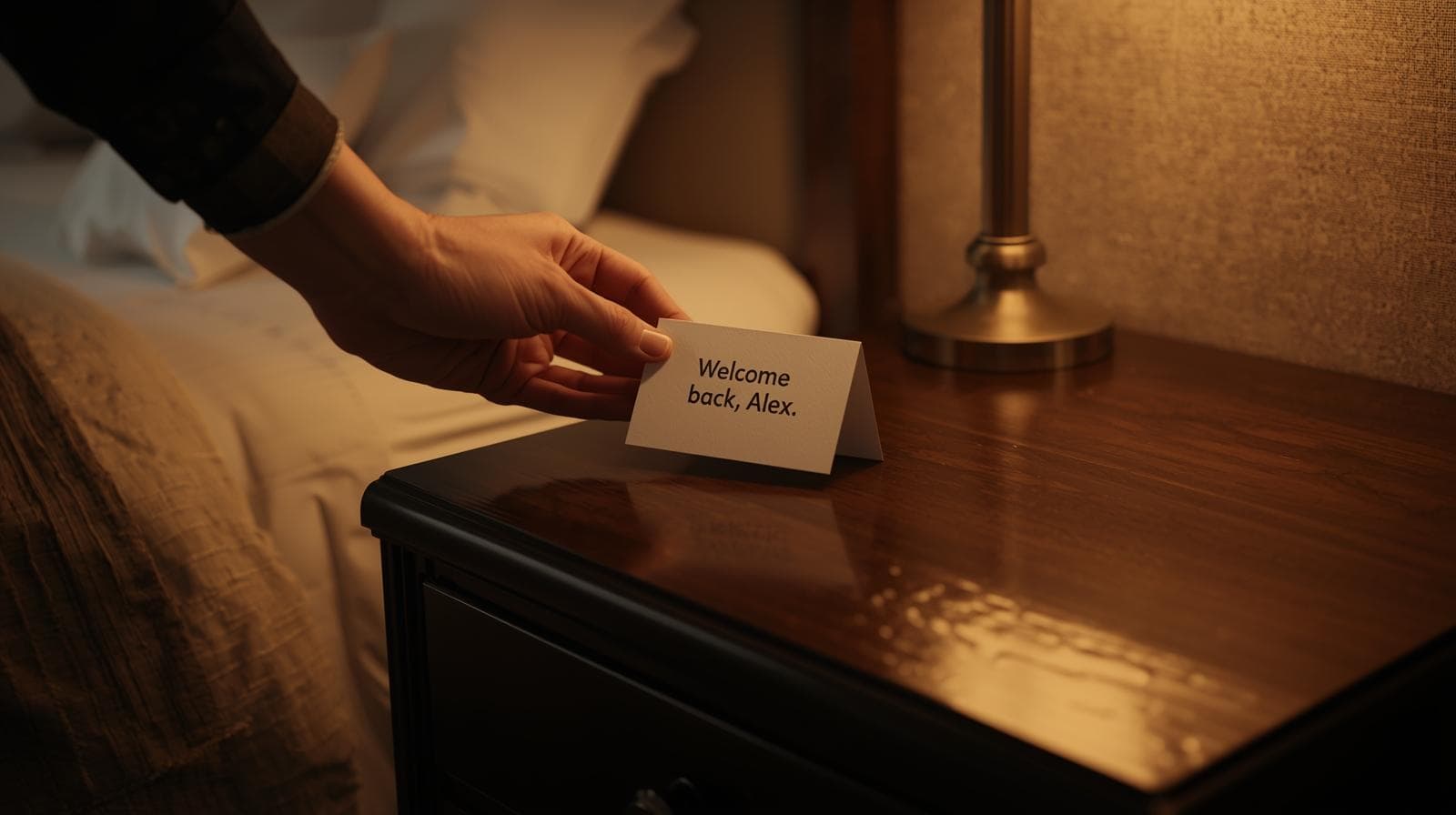
For decades, loyalty programs were built on math: points, nights, tiers, and redemption charts. Guests played the game because it made sense — stay more, earn more. But the rules…

Artificial intelligence is changing the rhythm of hotel operations. Guest messaging, pricing, housekeeping, even upselling — all are now guided by algorithms that promise speed…
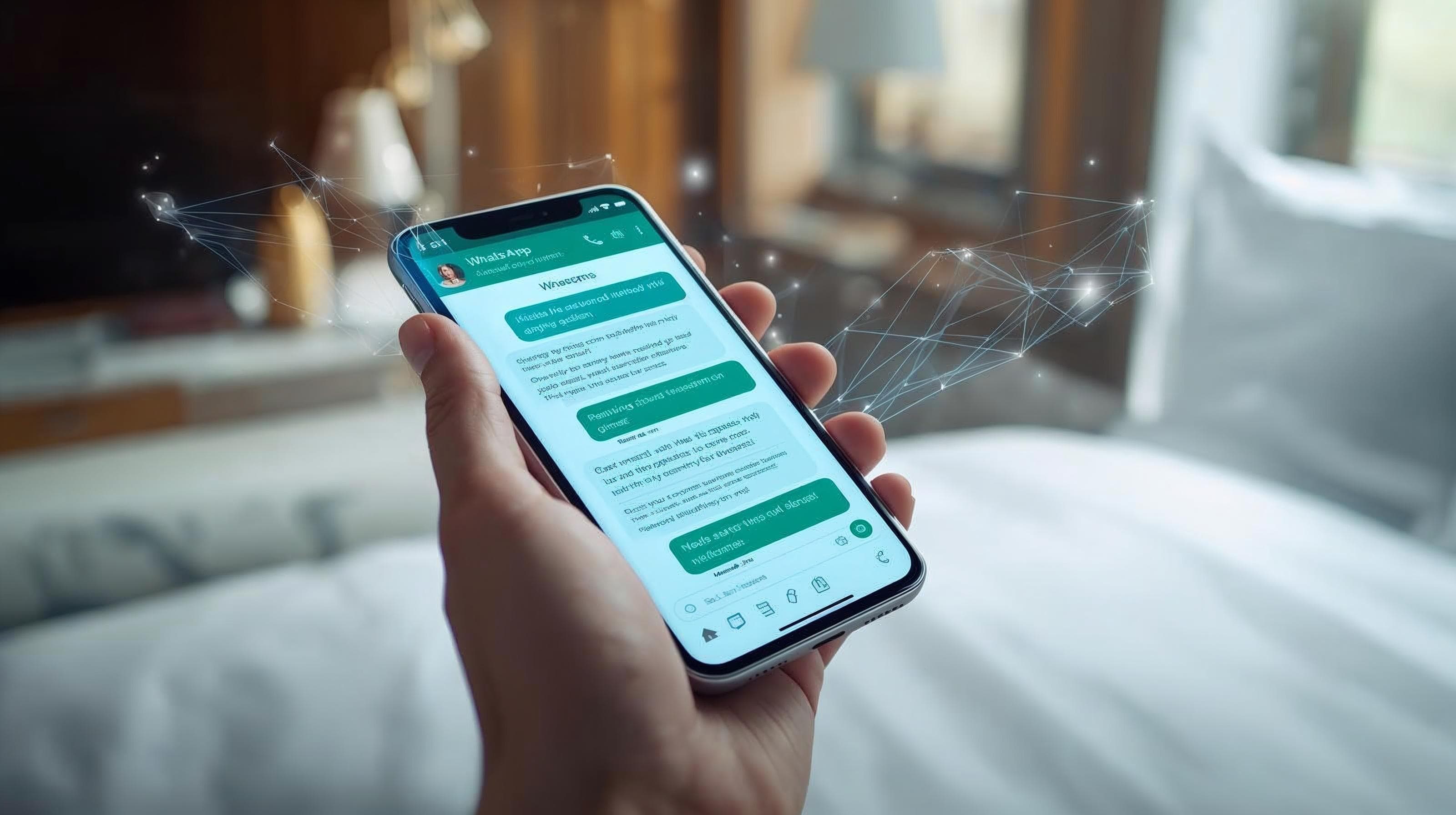
WhatsApp is where hotel guests already send their questions, so hotel WhatsApp messaging works when it is run like any other part of operations: one inbox, a named owner on every…
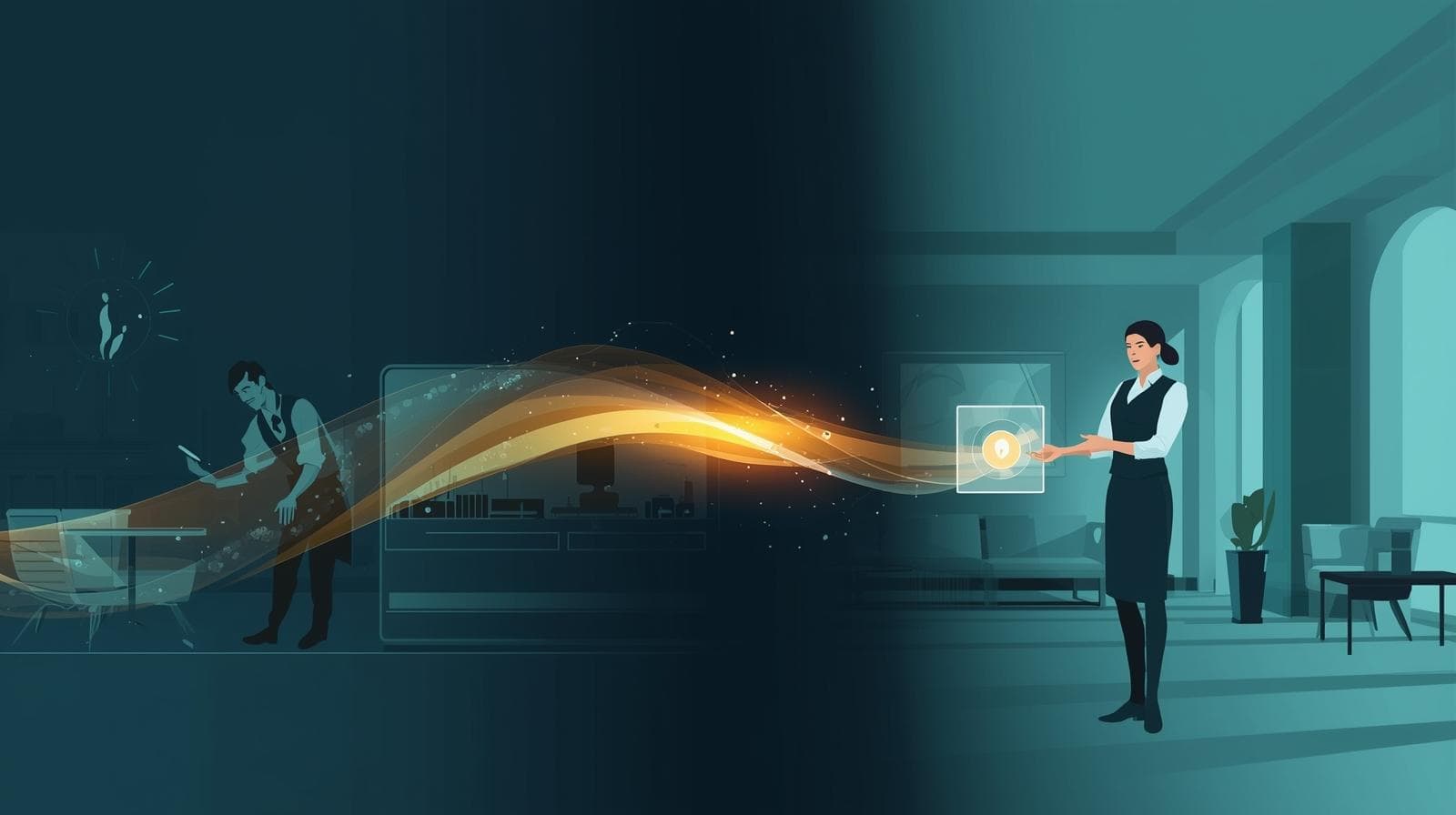
Hospitality has always been about service — anticipating needs, noticing details, and delivering comfort before a guest even realizes what they want. But today, the way hotels…
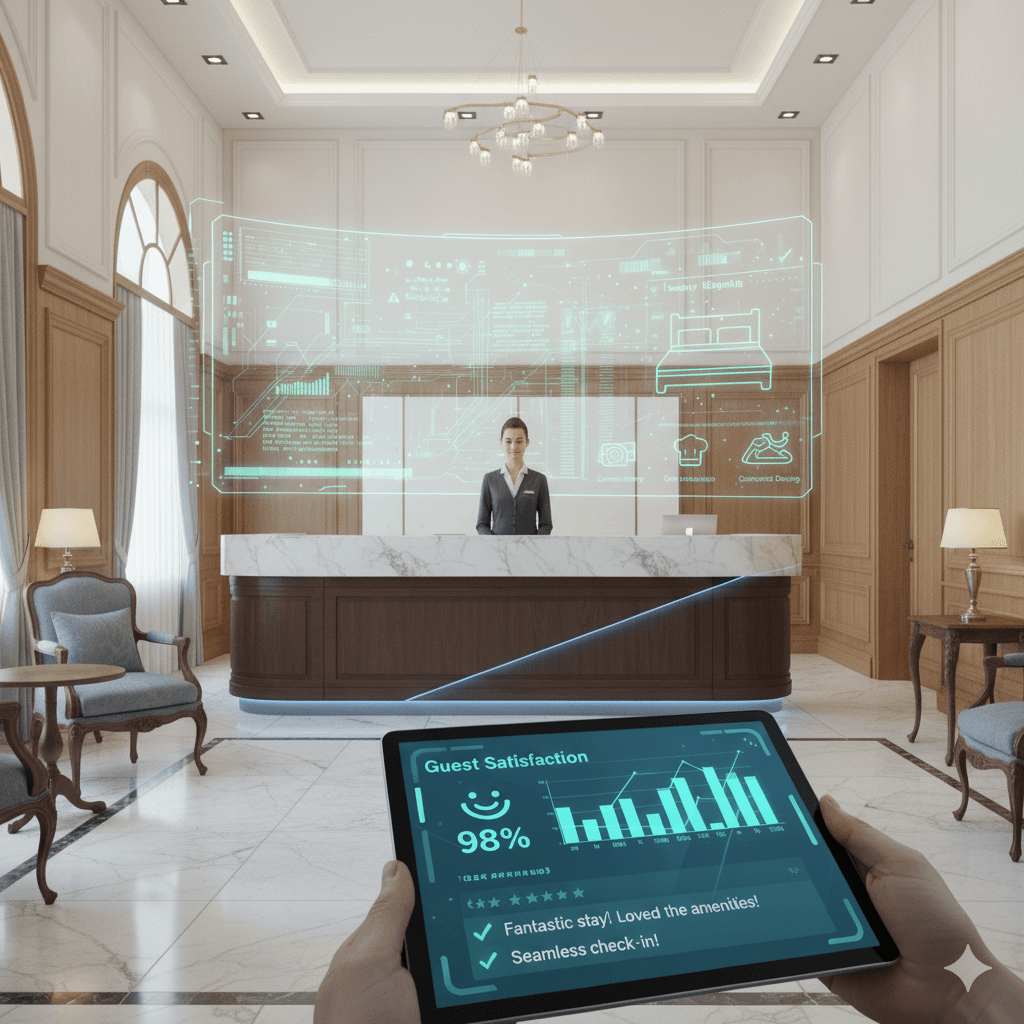
How smart hotels use AI to turn emotion into action.

A hotel chatbot is software that answers guest messages automatically, on the hotel's website or on messaging channels such as WhatsApp. The term now covers two different…

AI improves a hotel guest experience where speed and availability decide the moment: a question at two in the morning, in the guest's own language, answered before they have to…

The way hotels communicate has changed forever. WhatsApp, SMS, and web chat have become the new front desk — always on, always accessible. Automation now handles everything from…
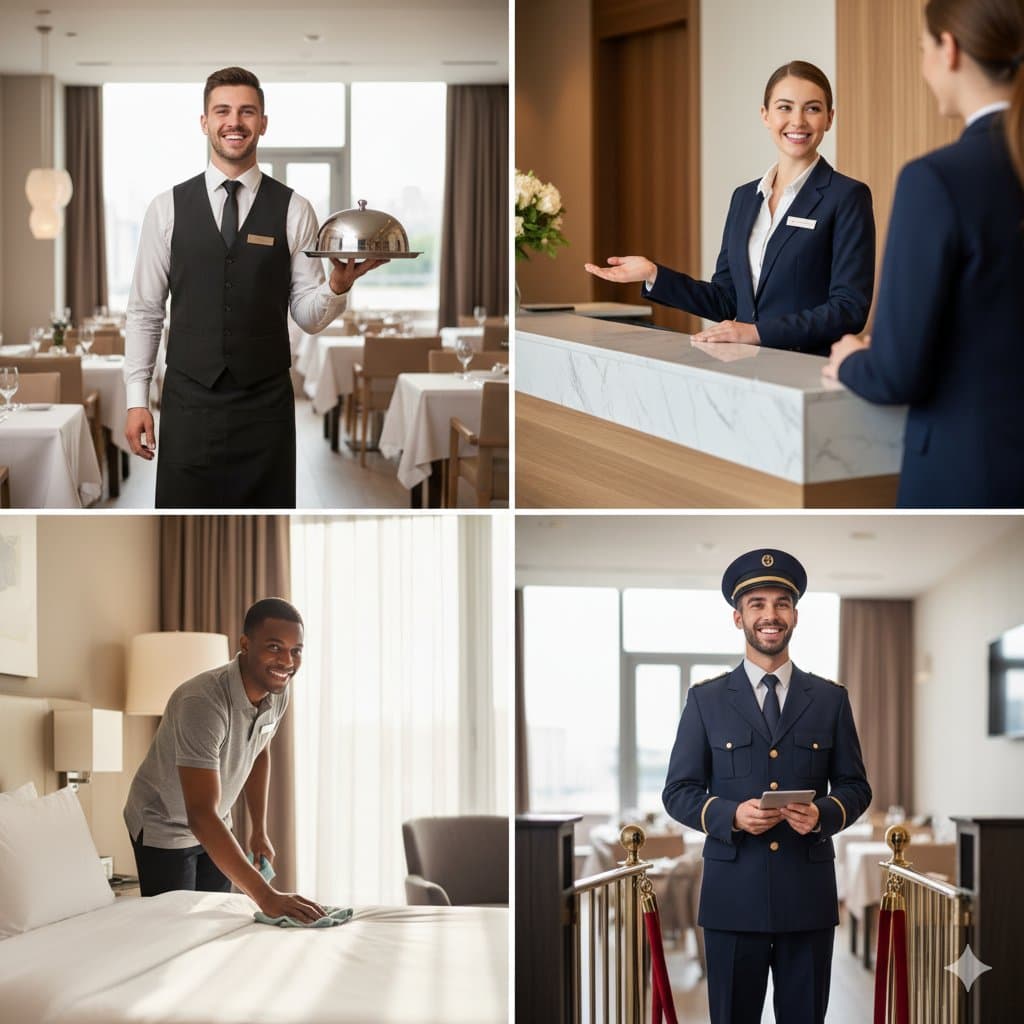
Every unforgettable guest experience begins long before check-in - it begins in the way we treat the people who make hospitality happen.
Bring your own property. We will show you what the assistant does with your real questions, in your languages, on WhatsApp.
Running at 190+ properties in 6 countries